
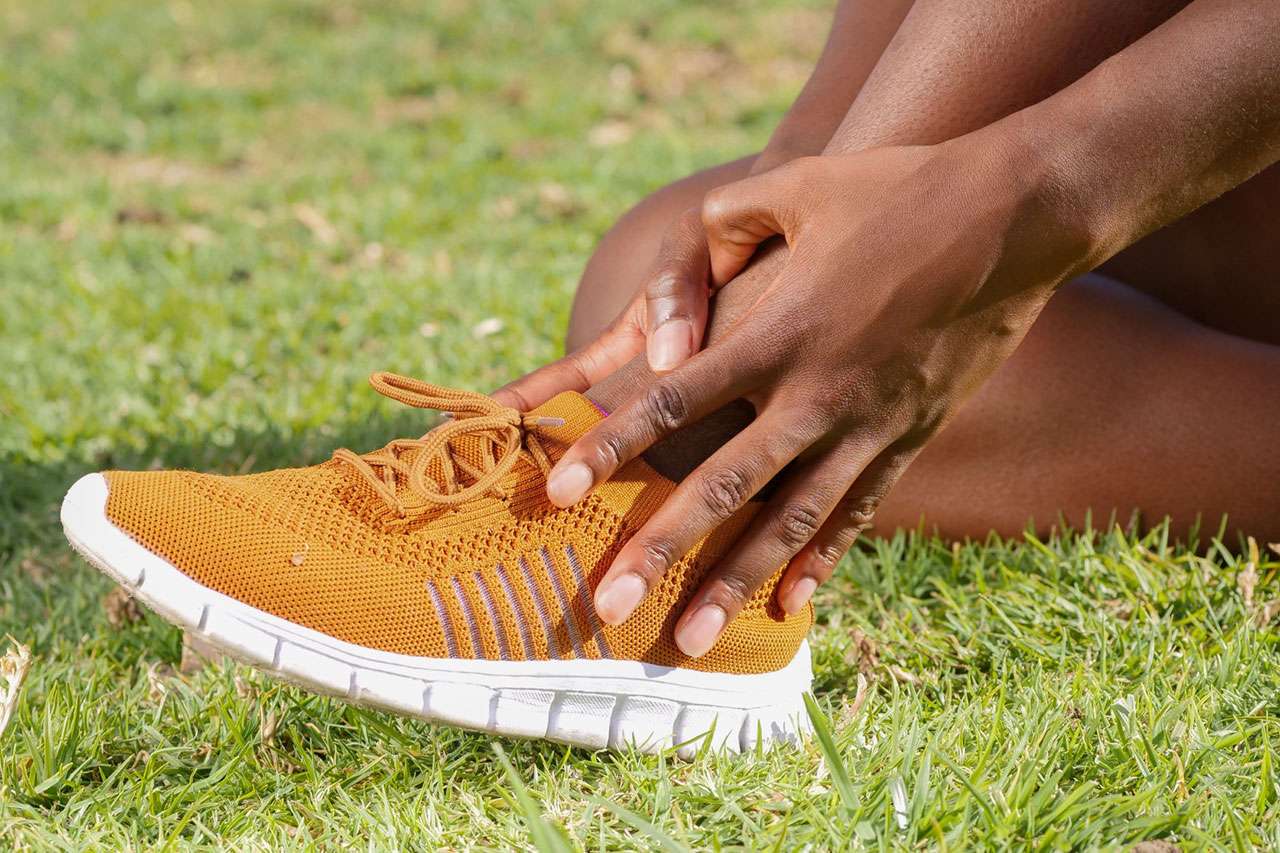
Some heel soreness after a good workout can be normal. But if the pain is persistent, it may be more than regular soreness, especially if changing your shoes or adding heel support has not helped.
In this guide, we’ll look at what could be causing heel pain after running and what you can do to support recovery.
What Is Heel Pain And Why Does It Happen After Running?
Some runners experience a sore heel or stiffness after a running workout. While shoes can sometimes be the culprit, they may not always be the reason. If heel pain keeps returning after a run, it may be worth looking at other contributing factors.
One common cause of heel pain in runners is plantar fasciitis. The plantar fascia is a thick band of tissue that runs along the bottom of the foot and connects your heel to the toes. Some runners dismiss heel pain as regular soreness. When the plantar fascia is placed under repeated stress, it can become inflamed, leading to recurring heel pain.
Common Signs of Plantar Fasciitis in Runners
Here is a quick look at some of the most common signs runners experience when they develop plantar fasciitis.
Heel Pain in the Morning
One of the characteristic symptoms of plantar fasciitis is the heel pain that occurs after a period of rest. You may feel a sharp, stabbing pain in the heel as you take your first steps out of bed.
Pain after Rest
Heel pain may also return after sitting at your desk, relaxing on the couch, or driving for a long time. This happens because the plantar fascia can tighten during periods of inactivity.
Pain along the Foot Arch
The pain may also spread along the bottom of your foot into your arch. Some runners experience discomfort during activity, while others may notice the pain becomes more pronounced after a workout, especially if the tissue is already irritated.
Stiffness and Tenderness
You feel tenderness on the bottom of your heel. The back of your calf, ankle, or foot may also feel tight, especially after it has not been in motion for a while.
What Can Cause Plantar Fasciitis In Runners?
Inflammation or irritation of the plantar fascia tissue may lead to pain in the heel. Some of the reasons runners develop plantar fasciitis –
- A sudden change in the type or duration, or intensity of a workout without proper warm-up and recovery can place added strain on the feet.
- Poor foot mechanics, such as a flat feet or high arch or even poor posture can impact the way your foot absorbs shock while working out.
- Sudden weight gain can put a significant amount of strain on the feet
- Improper footwear with poor shock absorption and inadequate arch support can place extra stress on the plantar fascia.
- Prolonged standing in occupations or lifestyles that require long periods of standing may contribute to heel discomfort.
- Tight calf muscles impact the plantar fascia and create tightness in the heel and ankle when walking or running after a period of rest.
How Chiropractic Care May Support Recovery
One of the key principles of Chiropractic care is to help with recovery by looking at the body as an interconnected system. When heel pain develops after running, the issue may not be limited to the foot alone. Your gait, posture, ankle mobility, hip alignment, and lower body movement can also affect how pressure is placed on the plantar fascia.
Foot and Ankle Mobility
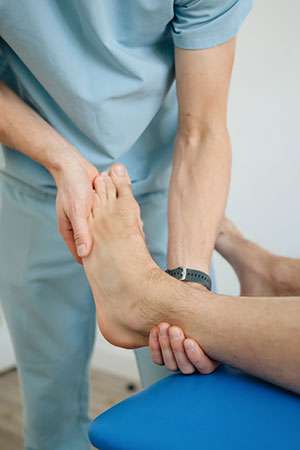
Chiropractors may assess the movement of the foot and ankle to identify restrictions that place added strain on the heel and arch. Gentle mobility work may help support better foot function, while reducing strain on the plantar fascia.
Spinal and Hip Alignment
Misalignments along the hips, knees, or spine can also contribute to an uneven stride. If one area is not moving well, another area may compensate, leading to an imbalance. Chiropractic care may help improve mobility and alignment, supporting better overall posture, and movement.
Active Release Technique
Soft tissue techniques such as active release technique and myofascial release may help address tightness in muscles, improve flexibility, and reduce tension in the calves, feet, and surrounding tissues. This can be especially helpful when tightness is contributing to heel discomfort.
Stretching Exercises
A chiropractor may also recommend specific stretches and strengthening exercise routines to support your foot, calf, and ankle for long-term relief. These exercises are beneficial in improving flexibility and preventing recurring episodes.
Lifestyle Guidance
Chiropractors also include lifestyle guidance through a thorough assessment of your footwear, work and home environment, habits, and activities. Small modifications to your daily routines may help reduce the strain on your plantar fascia and support recovery over time.
Noticing recurring soreness in your feet or ankles after a run? Make an appointment at Wasserman Chiropractic to better support your fitness goals.